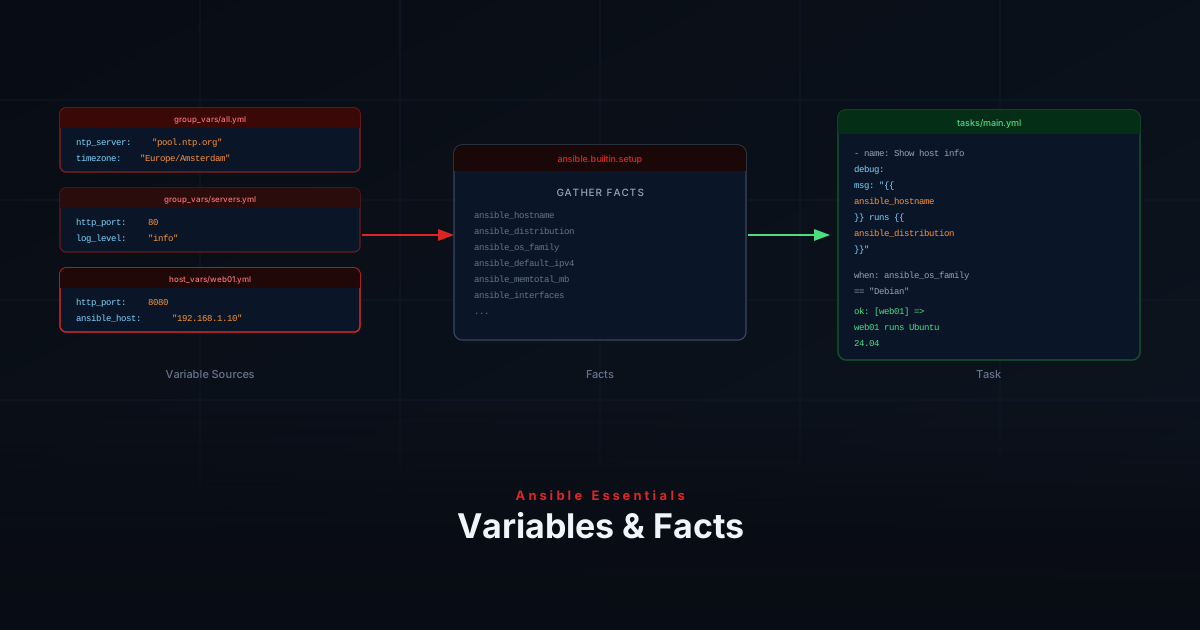
Ansible Essentials: Variables & Facts
Learn how Ansible variables and facts work — from host_vars and group_vars to gathered system facts — and use them to write smarter, host-aware playbooks.
3 min
ansible

A beginner-friendly series that builds up Ansible knowledge step by step — from installing it on a fresh machine through writing playbooks, managing secrets with Vault, using Jinja2 templates, and working with variables and roles. Each post is self-contained but the series is designed to be read in order.
Learn how Ansible variables and facts work — from host_vars and group_vars to gathered system facts — and use them to write smarter, host-aware playbooks.
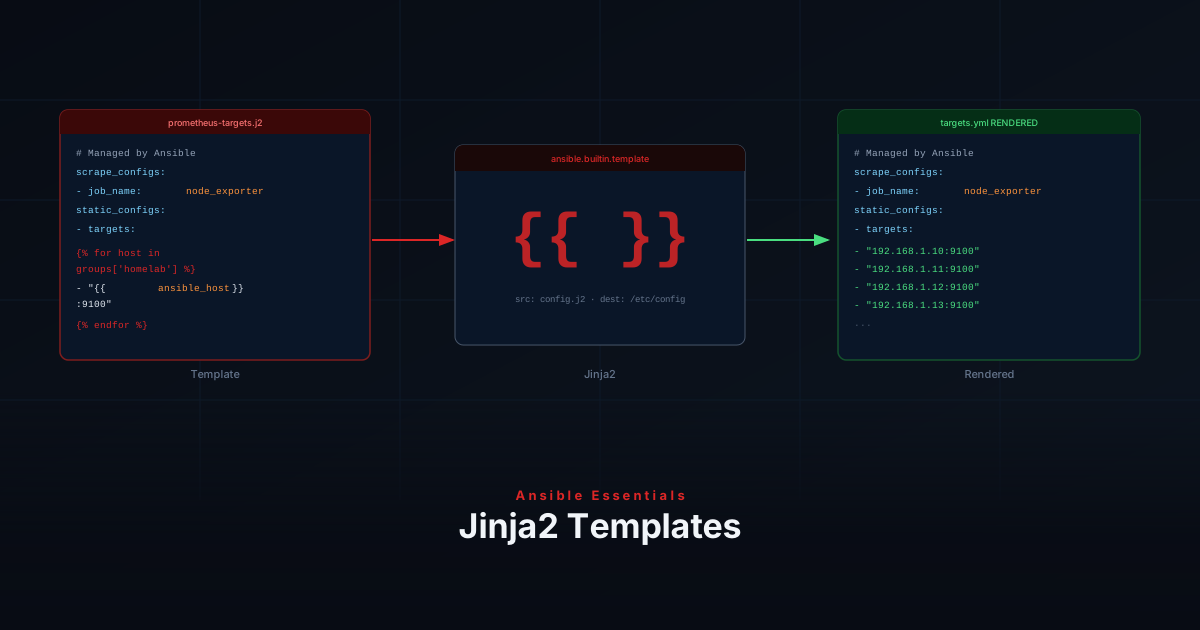
Use Jinja2 templates to generate dynamic configuration files from your Ansible variables, keeping your automation DRY and host-aware.
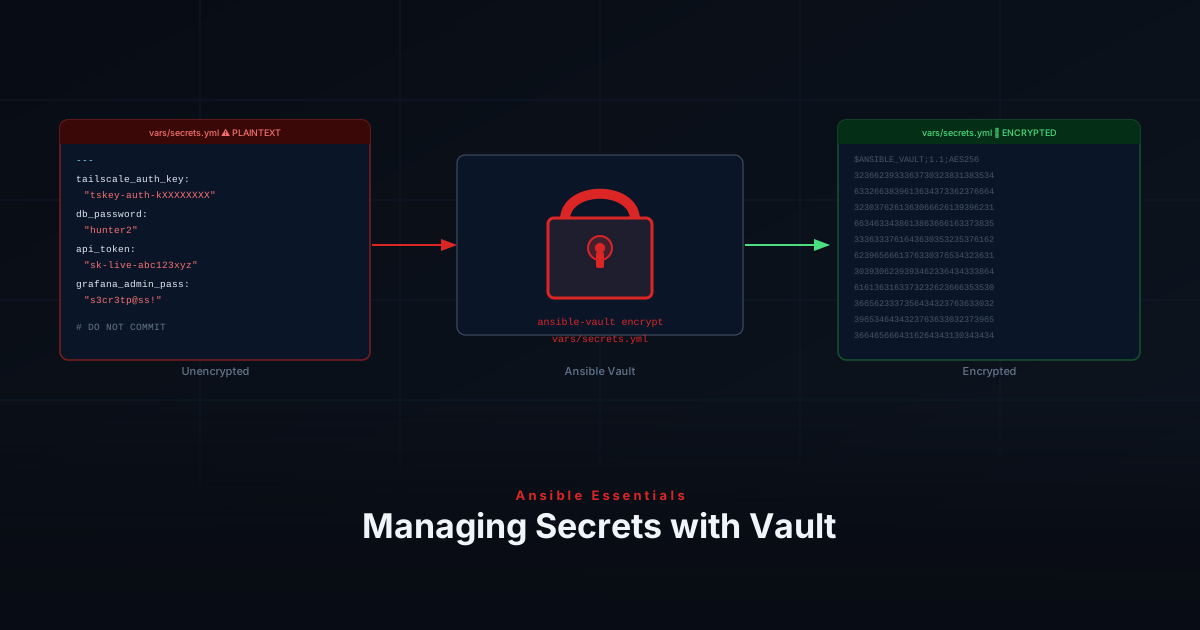
Use Ansible Vault to encrypt sensitive data like passwords and API keys in your playbooks, keeping secrets safely out of version control.
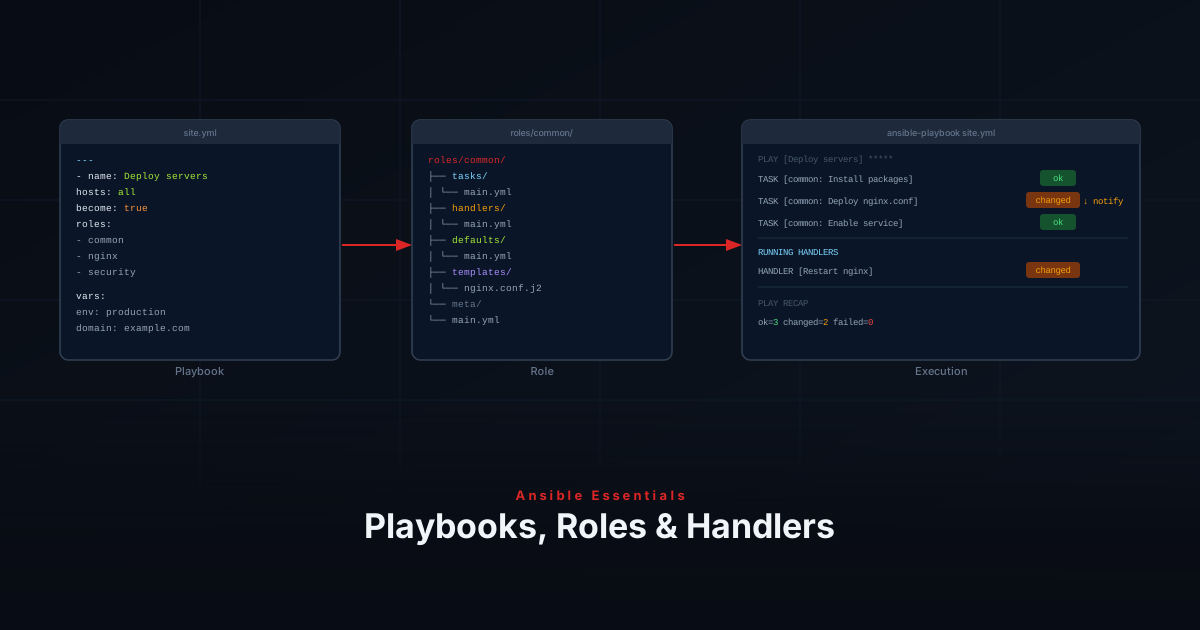
Structure your Ansible automation using playbooks, roles, and handlers to keep your infrastructure code clean, reusable, and easy to scale.
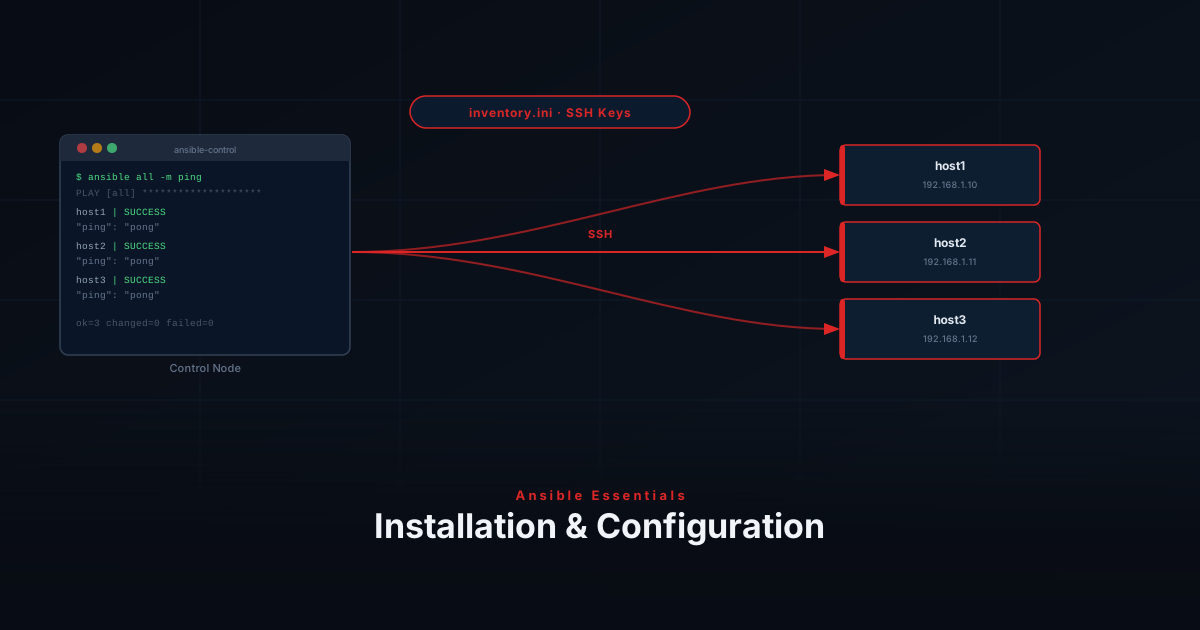
Install and configure Ansible on Linux, set up your inventory, and run your first ad-hoc commands and playbooks to automate infrastructure tasks.