WiFi Explained: Transmit Power, Channel Width, and Channel Selection
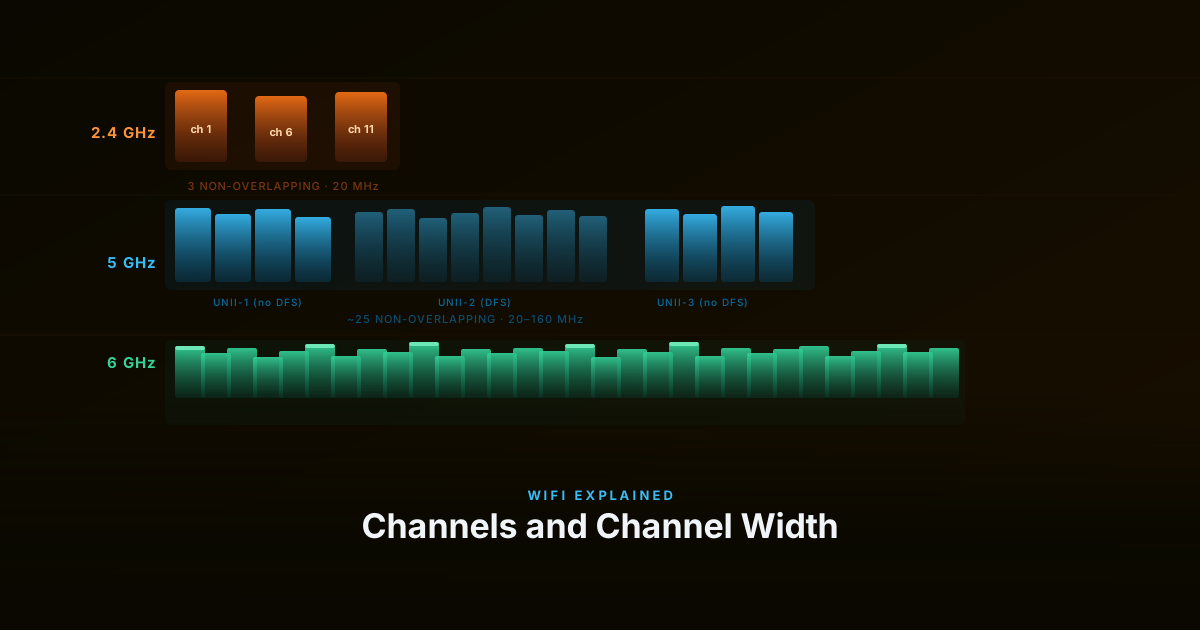
Three settings that most people leave on auto — and shouldn't. Here's what transmit power, channel width, and channel selection actually do, and how they interact.
A beginner-friendly series on how WiFi actually works under the hood. Covers how devices share the wireless medium, how WPA3 improves on older security, how roaming decisions are made, what Multi-Link Operation (MLO) changes in Wi-Fi 7, and how to think about channel planning. Written for homelab users and anyone curious about what their access points are doing.
Three settings that most people leave on auto — and shouldn't. Here's what transmit power, channel width, and channel selection actually do, and how they interact.
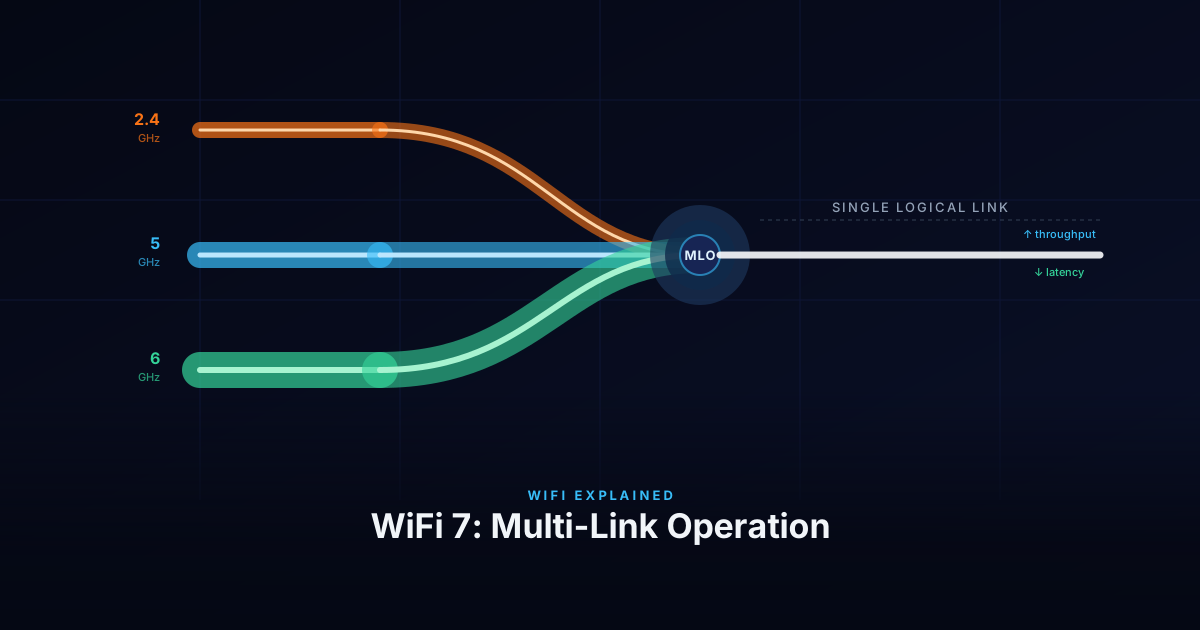
Multi-Link Operation is the biggest architectural change in WiFi 7. Here's what it actually does, how the three modes differ, and what it requires.
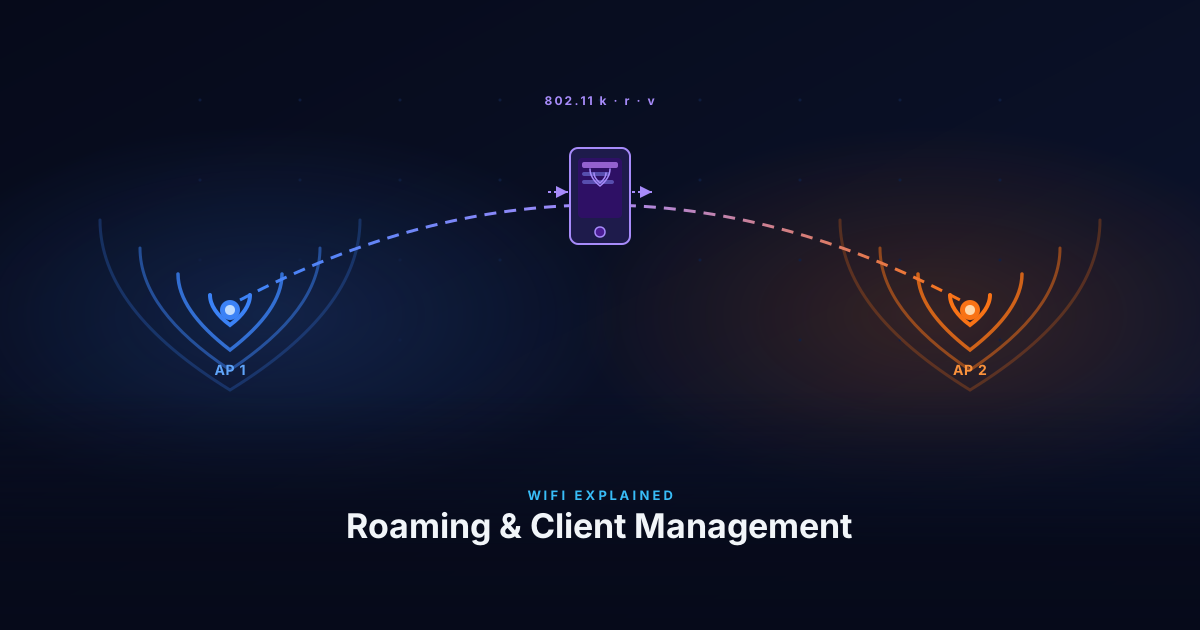
Sticky clients, band steering, and why 802.11k/r/v are the right tools. How APs guide clients between radios and access points — and what to do when the defaults cause problems.
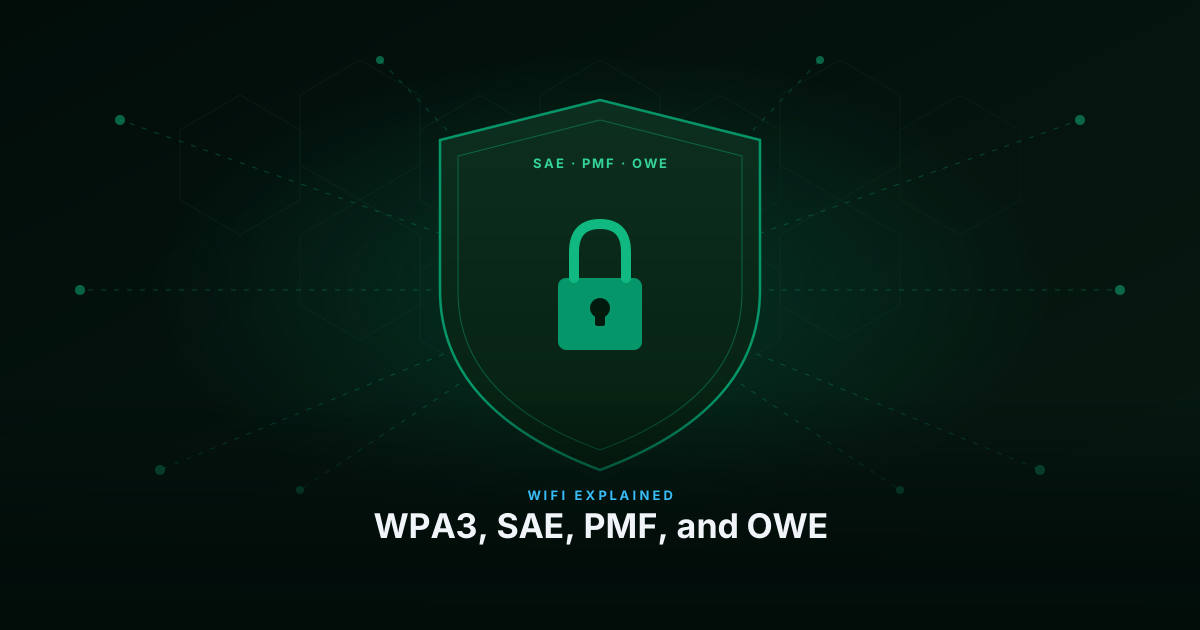
WPA3 fixes real weaknesses in WPA2 — but not the ones most people think. Here's what SAE, Protected Management Frames, and OWE actually do under the hood.
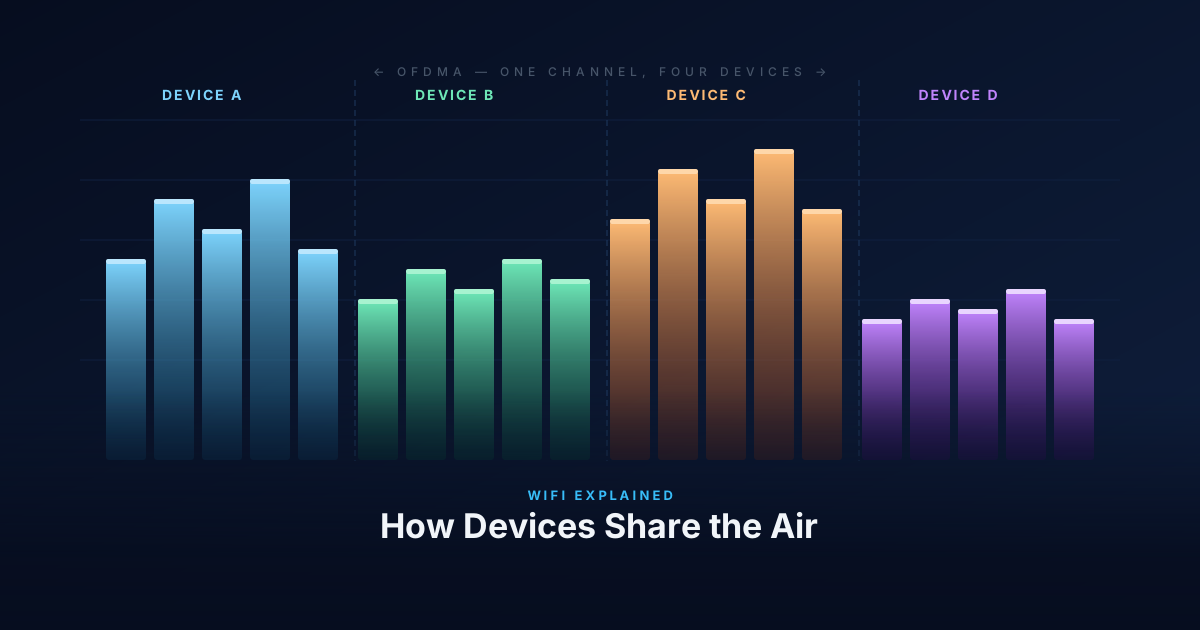
WiFi is a shared medium — every device on a channel competes for the same airtime. Here's how CSMA/CA manages that contention, how OFDMA in WiFi 6 changes the model, and how WiFi 7 pushes further with Multi-RU and Preamble Puncturing.